
Whole-Home Generator Installation in Memphis: What to Expect and Why It’s Worth It
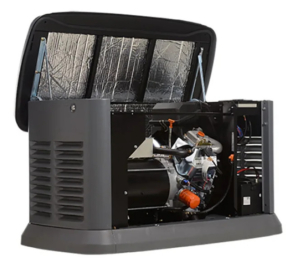 A whole-home generator installation gives Memphis homeowners automatic backup power that kicks in within seconds of an outage, without any action required on your part. The generator monitors your utility power continuously and starts itself the moment it detects a problem, whether you are home, asleep, or out of town.
For most homeowners considering a generator, the bigger questions are how the installation process actually works, what to expect along the way, and whether a permanent standby generator makes sense compared to a portable unit. This guide walks through all of it from the perspective of what Memphis-area homeowners actually encounter.
Why Memphis Homeowners Need a Standby Generator More Than Most
Memphis sits in a region that takes a beating from severe weather year-round. Spring tornado season brings damaging straight-line winds and the storms that produce them. Summer thunderstorms knock out power across Shelby County with regularity. Ice storms in January and February can down power lines and leave neighborhoods dark for days.
The utility infrastructure across the Mid-South, which serves a wide and sometimes aging grid, means that even moderate storms can produce outages that last longer than in other metro areas. Memphis Light, Gas, and Water serves a significant service territory, and when major events hit, restoration can take 24 to 72 hours or more in heavily affected neighborhoods.
That timeline matters enormously in a Memphis summer. Without power, a home can reach dangerous internal temperatures within hours. For households with elderly residents, young children, or anyone with medical equipment that requires electricity, a multi-day outage is not just an inconvenience. It is a genuine health risk.
Beyond comfort and safety, power outages in Memphis cause real property damage. Sump pumps fail during the same storms that cause flooding. Refrigerators and freezers lose food. HVAC systems that cannot run leave homes exposed to humidity swings that can cause moisture problems over time. A standby generator eliminates all of those risks at once.
Standby Generator vs. Portable Generator: What Memphis Homeowners Should Know
Portable generators are a common first step for homeowners who want some backup power. They have a place in the market, but they come with significant limitations compared to a permanent standby unit.
A portable generator requires you to be home when the power goes out. You have to pull it out of storage, wheel it to a safe outdoor location, add fuel, and manually connect it using extension cords or a transfer switch if you had one installed separately. If the outage happens while you are traveling or occurs at 2 a.m., the process is more complicated.
Portable generators also run on gasoline, which means you need a supply on hand. During major storm events in Memphis, gas stations frequently run out of fuel within hours of a widespread outage, and the ones that still have power often have long lines. If you did not stock up before the storm, you may not be able to run the generator when you need it most.
A whole-home standby generator runs on natural gas or propane from an existing supply line. It starts automatically within seconds of detecting an outage, runs your entire home or a designated circuit load, and shuts off automatically when utility power is restored. There is nothing for you to do. That is the core difference.
Standby generators also run weekly self-tests to confirm they are ready to operate, keeping the engine and battery conditioned between uses. Portable generators that sit in a garage for months between uses are prone to fuel degradation and starting problems at exactly the moment you need them.
What a Whole-Home Generator Installation in Memphis Actually Involves
Generator installation in Memphis is a multi-step process that involves several trades and typically requires permits and inspections. Understanding what is involved helps you set realistic expectations for the timeline and the scope of work.
Site assessment and generator sizing. The first step is determining the right generator size for your home. A technician will review your electrical panel, calculate the load requirements for the circuits you want to power, and recommend a generator with the appropriate output. Undersizing a generator causes it to overload. Oversizing wastes money. Getting this right from the start is essential.
Permits and utility coordination. In Memphis and throughout Shelby County, generator installations require electrical permits. Your installer handles the permit application and coordinates any required inspections with the city or county. MLGW may also need to be notified, depending on the fuel source and connection type. This step is not optional, and any installer who suggests skipping it is not someone you want working on your home.
Placement and pad installation. The generator sits on a concrete pad outside your home, typically on a side or rear yard location that meets local setback requirements from windows, doors, and property lines. The pad is poured and cured before the generator is placed. Opachs handles placement that meets local code requirements and keeps the unit accessible for future service.
Gas line connection. For natural gas generators, a licensed plumber or HVAC technician extends a gas supply line from your existing meter to the generator location. This line must be properly sized to deliver adequate gas flow under load. Undersized gas lines cause generator performance problems that are easy to prevent and frustrating to diagnose after the fact.
Transfer switch installation. The transfer switch is the component that disconnects your home from utility power during an outage and connects it to the generator. This is a critical safety component because it prevents back-feeding electricity into utility lines, which can injure or kill linemen working to restore power. Automatic transfer switches handle this switching without any action from the homeowner.
Electrical connection and load balancing. The electrician connects the generator to your main panel or to a subpanel that covers the circuits you want to back up and verifies that the load is balanced across the generator’s output capacity. For whole-home coverage, this typically means the generator is connected to your full panel through the transfer switch.
Testing and commissioning. Before the job is complete, the system is tested by simulating an outage and confirming that the generator starts, the transfer switch operates correctly, and the target circuits come back online. You should also be walked through the generator’s control panel, the self-test schedule, and the basic maintenance requirements before the technician leaves.
How Long Does Generator Installation Take in Memphis?
The total timeline from first contact to a working generator varies, but most residential installations in the Memphis area take between one and three weeks from start to finish when accounting for permit processing and scheduling.
The physical installation work itself typically takes one to two days for a standard whole-home standby generator once permits are in hand, the pad is cured, and all trades are coordinated. Larger homes or more complex electrical situations may take longer.
The permit processing timeline varies by jurisdiction. Shelby County and the City of Memphis have different review timelines, and busy periods can extend the wait. A contractor who pulls permits regularly in the area will have a realistic sense of current timelines and can factor that into the project schedule.
What Generator Brands Are Used for Memphis Installations?
Opachs installs Honeywell generators, which are powered by Generac’s G-Force engine. These units are specifically engineered for standby generator use rather than adapted from other engine platforms, which means they are built to handle the extended run times and variable loads that backup power situations demand.
A few features worth understanding before you decide:
- Precision Power Technology:
Delivers less than 5 percent total harmonic distortion, which means clean, stable power for sensitive electronics like computers, medical equipment, and smart home devices. Not all generators achieve this level of power quality.
- WhisperCheck Self-Test Mode:
Runs the weekly self-test at a lower RPM, making it significantly quieter than standard self-test modes. For homeowners in neighborhoods with homes in close proximity, this matters.
- Mobile Link Remote Monitoring:
Lets you check the generator’s status, current operating condition, and maintenance schedule from your phone, tablet, or computer from anywhere in the world. If you travel frequently or have a vacation home in the Memphis area, this feature is particularly valuable.
- Honeywell Sync Smart Transfer Switch:
Uses digital power management to handle coverage for two air conditioners without additional components, up to whole-home coverage. This matters in Memphis, where summer outages often occur precisely when cooling loads are at their peak.
All Honeywell generators and engines installed by Opachs are engineered and built in the USA and carry a premium 5-year limited warranty.
What Memphis Homeowners Should Know About Generator Maintenance
A standby generator is a mechanical system with an engine, and it requires regular maintenance to stay reliable. The self-test cycle that runs weekly keeps the battery and engine conditioned between outages, but it does not replace scheduled service.
Annual maintenance for a standby generator typically includes an oil and filter change, spark plug inspection, air filter replacement, battery test, and a full load test to confirm output under real operating conditions. Skipping annual service is the most common reason generators fail to start during an actual outage, because problems that develop gradually between uses go undetected.
Memphis’s climate adds a layer of consideration. Generators that sit outside year-round are exposed to summer heat, humidity, and the occasional winter ice storm. The all-aluminum enclosures with powder-coated finish on Honeywell units handle outdoor exposure well, but exterior inspections after major weather events are a good habit. Debris, pest nesting, and storm damage can all affect performance if not caught early.
Opachs provides ongoing generator repair and maintenance in Memphis, in addition to installation, so homeowners who have their unit installed through Opachs can schedule service with the same team that knows the equipment.
“The question we hear most often is whether people actually need a whole-home generator or whether a portable unit will do the job. My answer is always the same: a portable generator is better than nothing, but if you’ve ever sat through a three-day outage in a Memphis August, you know that ‘better than nothing’ is not the same as actually being taken care of. A standby unit is there before you even know the power is out. That’s a completely different experience.”
Oscar Pruitt, Expert HVAC and Generator Installation Technician, Opachs HVAC Services
Is Whole-Home Generator Installation in Memphis Worth It?
Whether a standby generator is worth the investment depends on your household situation, but several factors consistently make the answer yes for Memphis-area homeowners.
If anyone in your home depends on electrically powered medical equipment, such as a CPAP machine, oxygen concentrator, home dialysis equipment, or an electric wheelchair, a standby generator is not optional. It is a medical necessity that protects a person’s health and potentially their life.
If you work from home or run a home-based business, power outages have a direct financial impact. A generator protects your income-producing activities and prevents the data loss, missed deadlines, and client disruption that come with unplanned downtime.
For most Memphis homeowners, the straightforward case for a generator is simpler: the region gets significant storm activity, outages lasting more than 24 hours happen regularly, and a house without power in August is genuinely dangerous. The investment protects your home, your food supply, your HVAC system, your sump pump, and everyone in the household from the full consequences of an outage.
Home value is an additional consideration. Whole-home standby generators are increasingly viewed as desirable features by homebuyers, particularly in markets like Memphis, where severe weather is well understood. A properly installed, permitted generator adds to the appeal and marketability of a home.
Getting Started with Generator Installation in Memphis
The process of getting a whole-home generator installed in Memphis begins with a site assessment and sizing conversation. That first step is straightforward and gives you a clear picture of what the project involves for your specific home before you commit to anything.
Opachs HVAC Services handles generator installations for homeowners throughout Memphis, Germantown, Collierville, Southaven, Arlington, Horn Lake, Millington, West Memphis, and Marion. We install Honeywell standby generators, manage the permit process, coordinate all trades, and provide ongoing maintenance and repair after installation.
If you are ready to stop worrying about the next Memphis storm, call us at (901) 443-5153 to schedule your generator installation consultation.
Leave a Reply
Want to join the discussion?Feel free to contribute!