
Why Air Duct Cleaning Matters More in the Mid-South Than Almost Anywhere Else
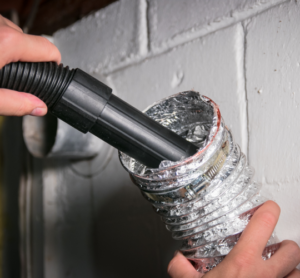 Air duct cleaning matters everywhere, but it matters more in Memphis and the surrounding Mid-South than it does in most of the country. That is not a marketing claim. It is a direct consequence of the regional climate, the local pollen environment, and the way homes in this area are built and used.
Homeowners in drier, cooler parts of the country can often stretch duct cleaning intervals further because their climate simply does not load ducts with the same combination of humidity, mold risk, and biological debris that Mid-South homes contend with year-round. In Memphis, that math works differently, and understanding why helps you make a more informed decision about when and how often to have your ductwork professionally cleaned.
Memphis Has Some of the Worst Pollen Loads in the Country
Memphis consistently ranks among the most challenging cities in the United States for allergy sufferers. The Asthma and Allergy Foundation of America has repeatedly placed Memphis near the top of its “Allergy Capitals” list, and local residents who deal with spring pollen season already know why.
The Mid-South sits at a geographic convergence point where oak, hickory, cedar, sweetgum, and various grass species all release pollen in large quantities across an extended spring season. Unlike regions where pollen season peaks for a few concentrated weeks, the Memphis area sees meaningful pollen counts from late February through June. That is four months of sustained airborne allergen loading entering homes through every opening, including HVAC return vents.
Once pollen enters a duct system, it does not go away on its own. It settles into the ductwork, gets disturbed each time the blower runs, and recirculates through the home continuously. Homeowners who change their filters faithfully still have pollen accumulating inside the duct walls beyond what filters capture, particularly in the return side of the system, where air velocity is lower and settling occurs more readily.
For households with allergy sufferers, this means the indoor environment that should offer relief from outdoor pollen is instead recirculating it constantly. Air duct cleaning in Memphis removes that accumulated pollen load from the system rather than simply filtering what passes through on any given day.
Mid-South Humidity Creates Mold Risk Inside Ductwork That Most Regions Don’t Face
Memphis averages relative humidity above 70 percent for most of the year. Summer months push that number higher, and the region’s warm winters mean that high-humidity conditions exist in some form year-round rather than being limited to a summer peak.
That sustained humidity creates a specific risk inside ductwork that homeowners in drier climates rarely encounter at the same frequency: mold growth on duct surfaces. When warm, humid air contacts a cooler surface inside a duct, or when condensation forms near supply registers during the cooling season, moisture accumulates on duct walls. That moisture, combined with the organic debris already present in the ductwork, creates conditions where mold can establish and grow.
Mold inside ductwork is not a cosmetic problem. Mold spores distributed through a home’s air supply create respiratory irritation, worsen asthma and allergy symptoms, and can cause illness in household members with compromised immune systems or sensitivities. Because the HVAC system runs the mold-contaminated air through every room in the house, the exposure is whole-home rather than localized to wherever the mold is physically growing.
The combination of Memphis pollen and Memphis humidity means ductwork in this region accumulates a biological load that builds faster and poses more health risk than in climates where one or both of those factors are absent. A homeowner in Phoenix or Denver is dealing with a fundamentally different duct environment than a homeowner in Germantown or Collierville.
How Memphis’s Long Cooling Season Affects Duct Contamination
Memphis runs air conditioning for a substantially longer portion of the year than most of the country. The cooling season in the Mid-South typically runs from late April through October, and shoulder-season cooling use extends that further. That means the HVAC system is moving air through your ductwork almost continuously for six or more months every year.
More runtime means more air volume passing through the ducts, which means more particulate matter being deposited on duct surfaces over time. It also means more condensation risk near supply registers during the transition periods when outdoor temperatures and indoor cooling interact at the duct openings. Homes in Memphis simply accumulate duct contamination faster than homes in regions with shorter cooling seasons, all other factors being equal.
The extended cooling season also means the duct system rarely gets a full break. In climates with distinct heating and cooling seasons and meaningful periods in between where the system runs minimally, ducts get some natural drying time. In Memphis, the system is running more consistently, keeping the interior of the ductwork in contact with conditioned, humidity-laden air for longer stretches.
What Actually Builds Up Inside Memphis Ductwork
Understanding what accumulates in Mid-South ductwork helps explain why professional cleaning produces results that homeowners notice. It is not just dust. The combination of materials that settle in Memphis ductwork includes a range of substances that affect both air quality and HVAC performance.
- Pollen: Oak, hickory, cedar, sweetgum, and grass pollen accumulate across the long Mid-South allergy season and settle on duct surfaces where filters cannot reach.
- Mold and mold spores: Encouraged by the region’s sustained high humidity, mold can establish on duct surfaces and distribute spores with every system cycle.
- Dust and skin cells: The baseline accumulation that occurs in any occupied home, compounded by the longer system runtime in Memphis.
- Pet dander: Homes with dogs or cats accumulate dander in ductwork that circulates even after pets are no longer present. This is a common source of unexplained allergy symptoms in homes where previous owners had pets.
- Insect debris: The Mid-South’s warm climate supports a robust insect population, and ductwork that has any openings can accumulate insect debris, including droppings, body parts, and nesting material.
- Construction dust: In homes that have undergone renovation, drywall dust and sawdust pulled into return vents coats duct surfaces and continues circulating until professionally removed.
Each of these materials has a different impact on indoor air quality and system performance. Some, like pollen and dander, are primary allergy triggers. Others, like mold spores, are respiratory hazards. And all of them contribute to the layer of debris that restricts airflow and forces your HVAC system to work harder than it should.
How Dirty Air Ducts Affect Your Memphis HVAC System’s Performance
Duct contamination is not only a health issue. It directly affects how well your HVAC system performs and how long it lasts, which matters in a region where air conditioning runs as hard and as long as it does in Memphis.
When duct surfaces accumulate debris, the internal cross-section of the duct narrows and airflow resistance increases. Your blower motor has to work harder to push the same volume of air through the system, which uses more electricity and adds mechanical wear to a component that is already running near-continuously through a long cooling season. Over time, restricted airflow contributes to the kinds of problems that generate service calls: coils that run too cold and ice up, motors that overheat from sustained high load, and pressure imbalances that cause rooms to heat or cool unevenly.
The evaporator coil is particularly vulnerable. When the air returning to the coil carries debris, some of that debris coats the coil surface and insulates it, reducing its ability to absorb heat efficiently. A coil that is partially blocked by debris cannot cool air as effectively as a clean coil, which means the system runs longer cycles to reach the set temperature. Longer cycles mean more wear and higher utility bills.
Clean ductwork allows the system to move air freely and operate within the parameters it was designed for. In a climate that already demands a lot from residential HVAC equipment, keeping the duct system clean is one of the most straightforward things a homeowner can do to protect their investment in the equipment.
How Often Should Memphis Homeowners Schedule Air Duct Cleaning?
The general industry guideline for air duct cleaning is every three to five years for most homes. In Memphis, the factors described above push most households toward the shorter end of that range, and certain situations call for cleaning sooner, regardless of when the last service occurred.
Households with allergy sufferers, asthma, or other respiratory conditions benefit from cleaning every two to three years, given the region’s pollen and humidity environment. The sustained allergy season and mold risk in Memphis mean these households are dealing with duct contamination that accumulates faster and has more direct health consequences than in lower-risk regions.
Homes with pets should consider cleaning every two to three years as well. Dander accumulates continuously in homes with dogs or cats, and in a region where the system runs as many months as it does in Memphis, that accumulation builds meaningfully between cleaning intervals.
Other situations that call for duct cleaning outside the regular interval include:
- After any significant home renovation that generated dust or debris
- After discovering mold anywhere in the HVAC system, including on coils or in the air handler
- After purchasing a home where the duct cleaning history is unknown
- After any pest infestation that involved the ductwork
- After a flooding event or water intrusion that may have introduced moisture to the duct system
“The thing we see most in Memphis homes is people who are diligent about changing their filters but have never had the ducts themselves cleaned. The filter catches what passes through on any given cycle, but it doesn’t reach what’s settled on the duct walls over years. In this climate, with the pollen we have and the humidity we live with, those ducts are holding a lot more than most homeowners realize. The difference in air quality after a proper cleaning is something people notice immediately.”
Oscar Pruitt, Expert HVAC Technician, Opachs HVAC Services
Signs Your Memphis Home’s Ducts Need Cleaning Now
Several indicators suggest duct cleaning should be scheduled sooner rather than later. Any of these in a Memphis home warrant a call to a qualified HVAC technician.
- Visible dust at supply registers: If you can see dust accumulation around vent openings or notice dust blowing out when the system starts, the buildup inside the ducts is significant.
- Musty odor when the system runs: A stale or musty smell that circulates when heating or cooling is active is a strong indicator of mold or biological contamination inside the ductwork.
- Surfaces dusty again within days of cleaning: If furniture and surfaces accumulate visible dust quickly after cleaning, the duct system is reintroducing it continuously.
- Worsening allergy or asthma symptoms at home: When symptoms are worse indoors than outdoors, or worse at home than elsewhere, indoor air quality is the likely cause.
- Uneven airflow between rooms: Temperature or airflow differences between rooms can indicate partial blockage in some duct runs from debris accumulation.
- No cleaning in the past five or more years: In Memphis’s climate, five or more years without cleaning is long enough that the benefits of a professional service will be noticeable.
Air Duct Cleaning in Memphis: What the Service Actually Involves
Professional air duct cleaning in Memphis is not a process that can be done effectively with a shop vacuum and a brush. It requires specialized negative-pressure equipment that creates suction throughout the entire duct system while agitation tools dislodge debris from duct surfaces. The collected material is contained in HEPA-filtered collection units, so it does not get redistributed into the home during the cleaning process.
A thorough service includes all supply and return ducts, registers and grilles, the air handler cabinet, and accessible components of the system. Before and after inspection, including camera access to duct interiors where possible, allows homeowners to see the actual condition of the system and confirm the cleaning was complete. The service should take several hours for an average home, not forty-five minutes.
Opachs HVAC Services provides professional air duct cleaning throughout Memphis, Germantown, Collierville, Southaven, Arlington, Horn Lake, Millington, West Memphis, and Marion. Our technicians use professional-grade equipment and clean the complete duct system, not just accessible sections. If your home is due for a cleaning or you have noticed any of the signs described above, call us at (901) 443-5153 to schedule a service appointment.
Leave a Reply
Want to join the discussion?Feel free to contribute!